 Microbiological preparations
BIOTIK is a set of selected bacterial strains and enzymes that cut the volume of excess sludge, block hydrogen sulphide and ammonia emissions at source and hygienise the sludge. No chemicals, no rebuilding of your installation.
BIOTIK preparations are concentrated blends of selected, non-pathogenic bacterial strains and enzymes. They support processes that already happen naturally at a treatment plant, only faster and more effectively. The preparation is dosed into a working plant, with no need to shut the process line down.
MICHLOR audits the site, selects the preparation and the dose for your specific treatment technology, then supervises the roll-out and measures the results.
Each preparation solves a different operational problem. The first two work in the treatment line and on sludge, the other three in waste management. All of them come as a powder with a 100% natural composition.
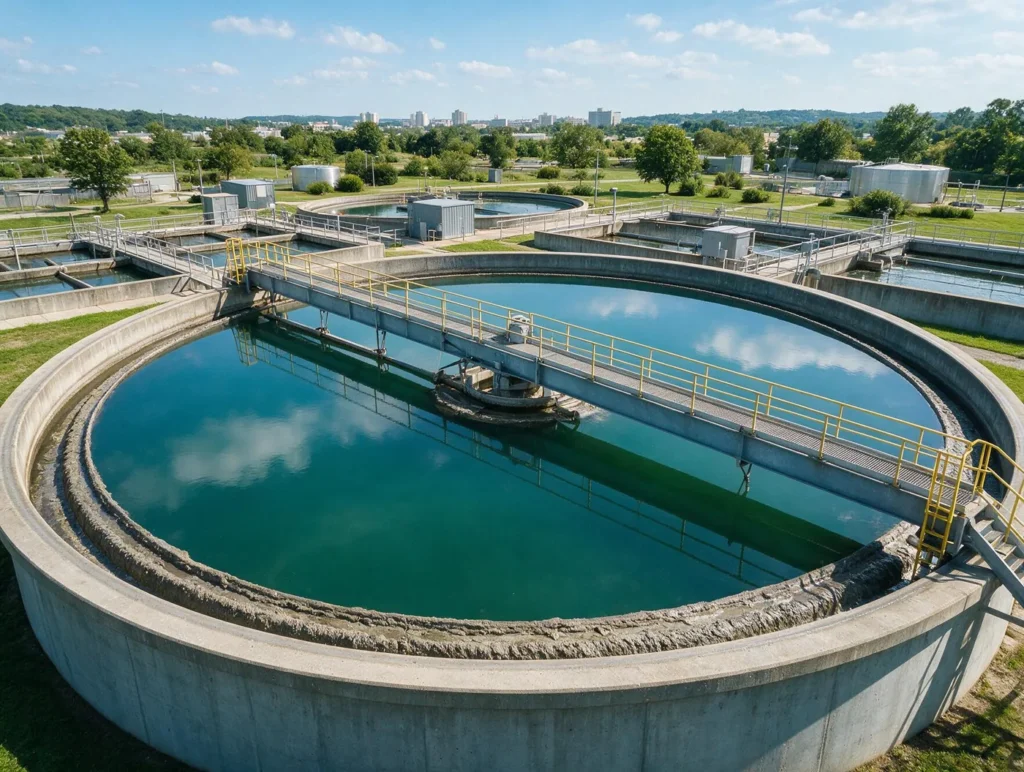
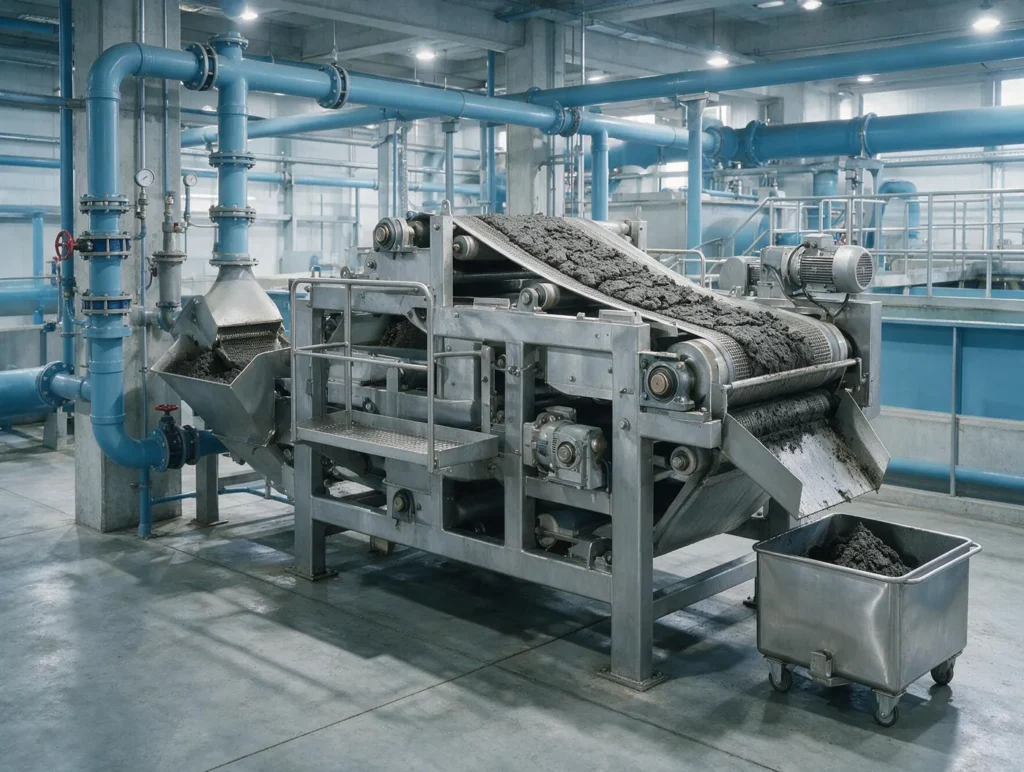
Sludge and odour reduction at the treatment plant. It speeds up the breakdown of proteins, fats and carbohydrates, improves activated sludge settling and lowers BOD₅, COD, nitrogen and phosphorus. It cuts the volume of excess sludge by 25–50%.
Sludge hygienisation and stabilisation. It eliminates pathogenic bacteria, including Salmonella and Escherichia coli, as well as dormant forms of intestinal parasites. It prepares the sludge for use in agriculture and land reclamation.
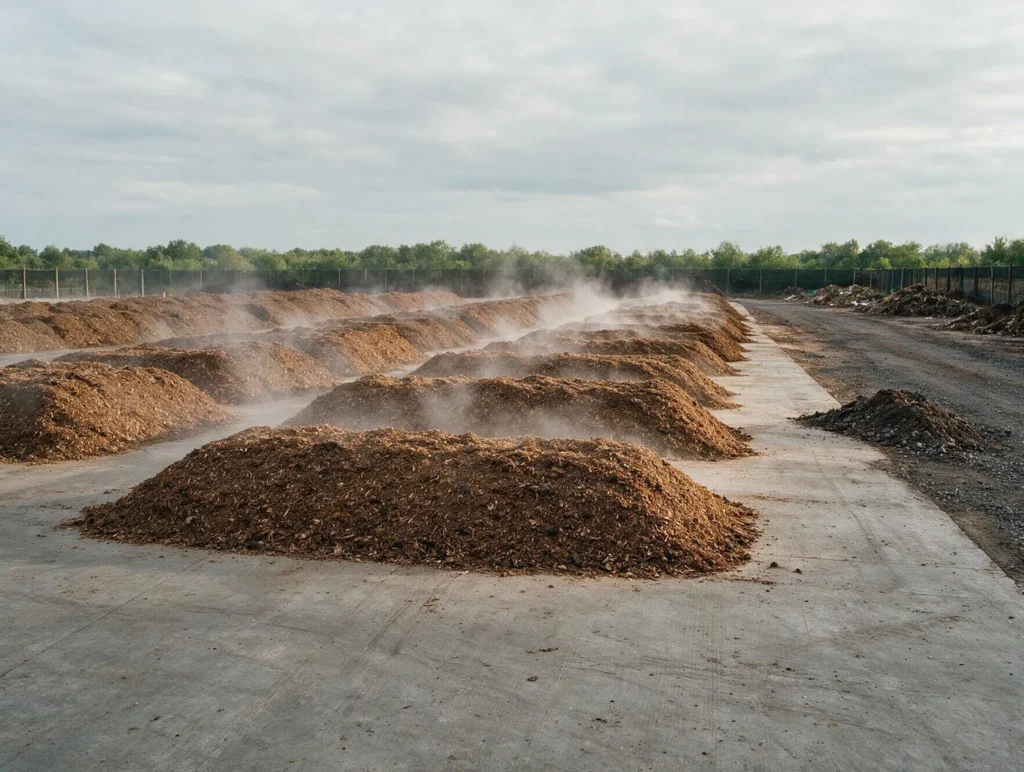
Composting of the 0–80 mm fraction. It supports the composting of municipal and green waste at every stage, including thermophilic fermentation. It shortens the time needed to reach AT4 and removes foul odours from the windrows.
Leachate hygienisation and deodorisation. For leachate from composting, and for wastewater and liquid waste. It inhibits E. coli, Salmonella, Shigella, Clostridium and Pseudomonas, speeds up sedimentation and nitrification.
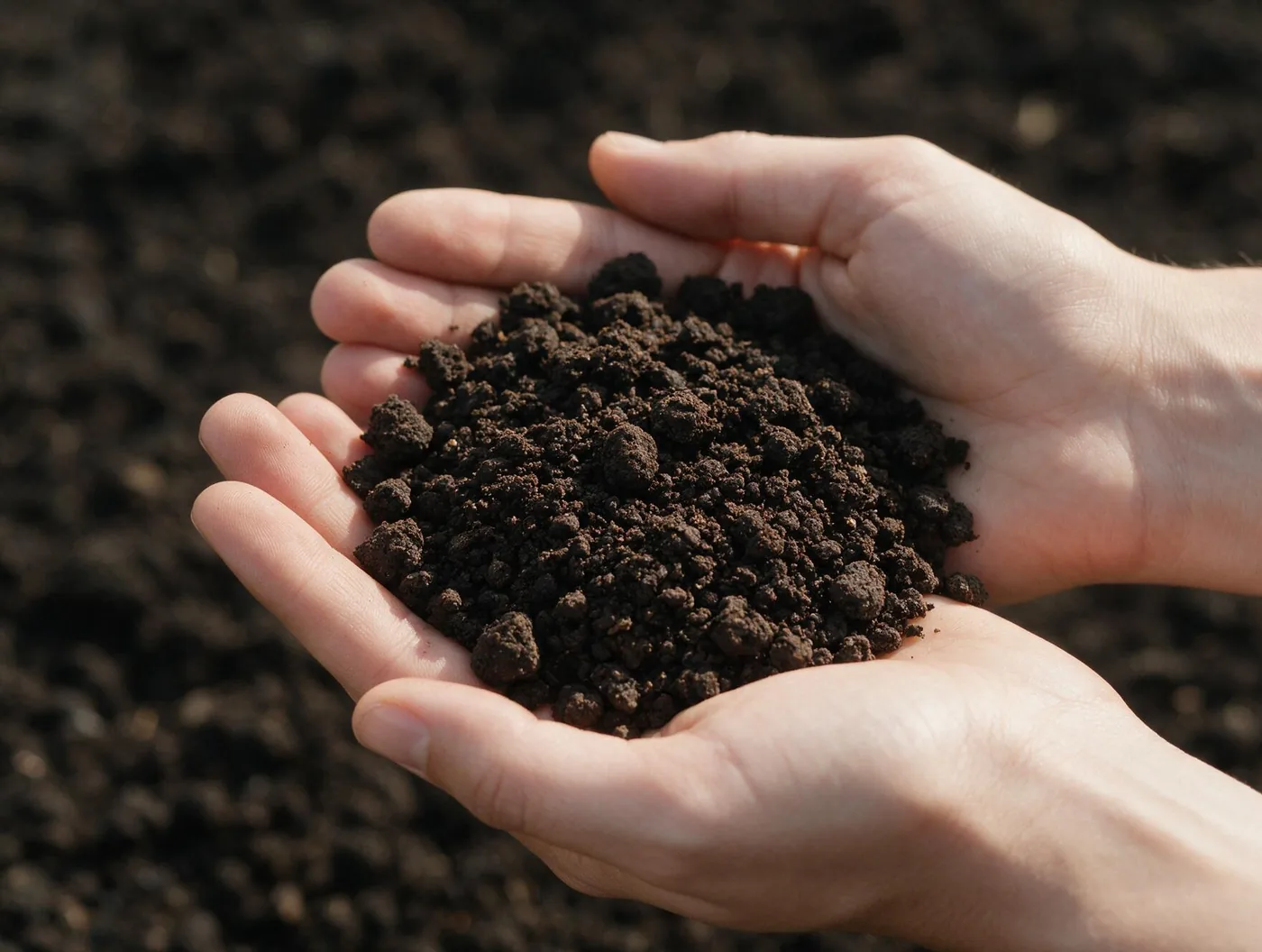
Soil bioremediation. A multi-component preparation for soil contaminated with petroleum substances. Strains isolated from the natural environment break down contamination at steelworks, factories, fuel depots and around treatment plants.
The figures below are the expected results of using BioSedin at a municipal wastewater treatment plant. The pace and scale of the change depend on the technology at the site, the composition of the wastewater and the temperature.
| Indicator | Reduction | Time to effect |
|---|---|---|
| Excess sludge volume | 25–30% | 1–3 months |
| Excess sludge volume | 30–50% | 4–12 months |
| BOD₅ / COD | do 15% | 4–12 weeks |
| Chlorides and sulphates | do 15% | 4–12 weeks |
| Total phosphorus | do 50% | 4–12 weeks |
| H₂S / NH₃ emissions | do 90% | 1–4 weeks |
| Energy used for aeration | 5–15% | after stabilisation |
Product characteristics: a microbiological powder with a high CFU/g concentration, aerobic and facultatively anaerobic bacterial strains, 25 kg packaging, shelf life of 12 months from the production date.
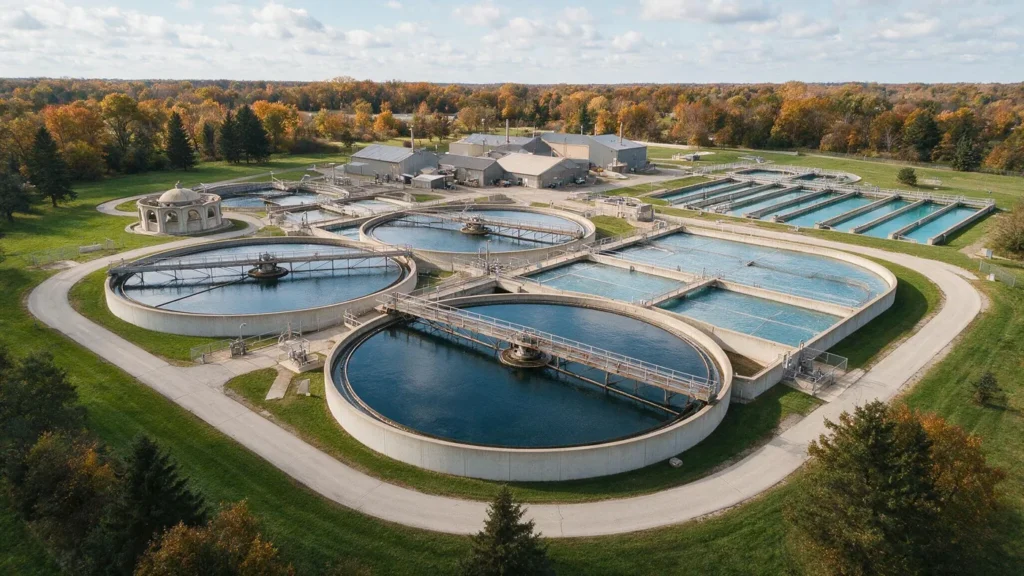
Purosad works on sludge once treatment is complete. A high concentration of selected strains gives strong antagonistic action against pathogens, so the sludge meets the sanitary requirements that allow it to be used in agriculture or in the reclamation of degraded land.
The preparation does not mask odours — it blocks putrefaction. The bacteria displace the anaerobic strains responsible for emissions of hydrogen sulphide, ammonia and mercaptans. At the same time the enzymes speed up mineralisation, improve sludge dewaterability and reduce its final volume.
The dosing point is matched to the goal of the roll-out. The preparation is run differently when the problem is the cost of hauling sludge away, and differently when it is residents complaining about the smell.
Municipal landfills, composting sites and degraded land are places where biological preparations reduce the nuisance to the surrounding area and speed up natural biological processes. Three preparations are intended for this group of applications.
This table helps you narrow the choice down. We issue the final recommendation after auditing the site.
| Parameter | BioSedin | Purosad | BIO-NV 80 | BIO-NV 30 | BioGment |
|---|---|---|---|---|---|
| Area of use | Wastewater treatment plants | Sludge after treatment | Waste composting sites | Leachate and liquid waste | Soil contaminated with petroleum substances |
| Main purpose | Sludge reduction, odour elimination | Sanitary hygienisation of sludge | Composting support | Deodorisation and hygienisation | Bioremediation of contamination |
| Key effect | 25–50% less sludge | Safe sludge | Faster AT4 | No foul odours | Breakdown of petroleum substances |
| Odour elimination | H₂S, NH₃ | Putrefaction | Very strong | Very strong | Indirect |
| Pathogen elimination | Indirect | Salmonella, E. coli | Hygienisation of the stabilised output | Broad spectrum | Indirect |
| Form | Powder | Powder | Powder | Powder | Powder |
From the first conversation to a report with results. The technical consultation and the plant audit are free of charge.
Review of the plant documentation, on-site measurements and assessment of the scale of the problem. A report with a recommended preparation and estimated savings.
An individual dose calculation, an application schedule and a forecast of savings on sludge haulage. We recommend a technological trial before a full roll-out.
The preparation is dosed directly into the tanks, without interrupting the plant's operation. Technical support throughout the start-up period.
Laboratory measurements at every stage. A final report documenting the results for your management and the supervisory authorities.
The expected reduction in excess sludge volume is 25–30% within the first 1–3 months and 30–50% over 4–12 months. The result depends on the treatment technology, wastewater composition, temperature and the load on the plant. We prepare a precise forecast for your specific plant after an audit, and we recommend a technological trial before a full roll-out.
No. The powdered preparations are dosed into your existing tanks and process points, in a working plant, without interrupting the treatment line and without investing in new infrastructure. That is the fundamental difference from solutions that require the sludge line to be modernised.
Yes. These are blends of non-pathogenic bacteria and enzymes of natural origin, safe for people, animals and the aquatic environment. They do not corrode technical infrastructure. Far from harming the activated sludge, they make it more resistant to swings in temperature and pH and to toxic discharges. The full safety data sheet is supplied with the preparation.
Odours usually clear the fastest of all the effects. Hydrogen sulphide and ammonia emissions are cut by up to 90%, and the effect is often noticeable within 1–4 weeks. The preparation does not mask odour — it blocks putrefaction at source, including in the sewer network beyond the plant itself.
Hygienisation with Purosad eliminates pathogenic bacteria, including Salmonella and Escherichia coli, as well as dormant forms of intestinal parasites, so the sludge meets the sanitary requirements set for sludge intended for agricultural use or land reclamation. The decision on how the sludge is finally used, together with the required testing and documentation, remains with the plant operator, in line with applicable regulations.
The dose is calculated individually, based on an audit: the capacity of the plant, the characteristics of the wastewater and the goal of the roll-out. The first effects on odours appear within 1–4 weeks, sludge reduction builds up over the following months, and energy savings on aeration become visible once the process has stabilised. Throughout that time we take measurements and provide reports.
The information on this page is for guidance only. The doses and parameters given are indicative and depend on the conditions at each individual site. We recommend carrying out a technological trial before a roll-out. The full product safety data sheet is supplied with the preparation.
We work throughout Poland and across Europe. We reply the same working day.